Seedance 2.0 AI Video Generator
Turn a text prompt into a cinematic AI video concept. Describe the subject, movement, camera direction, lighting, and mood in the working generator above, then refine your prompt to shape the result.
Create a Video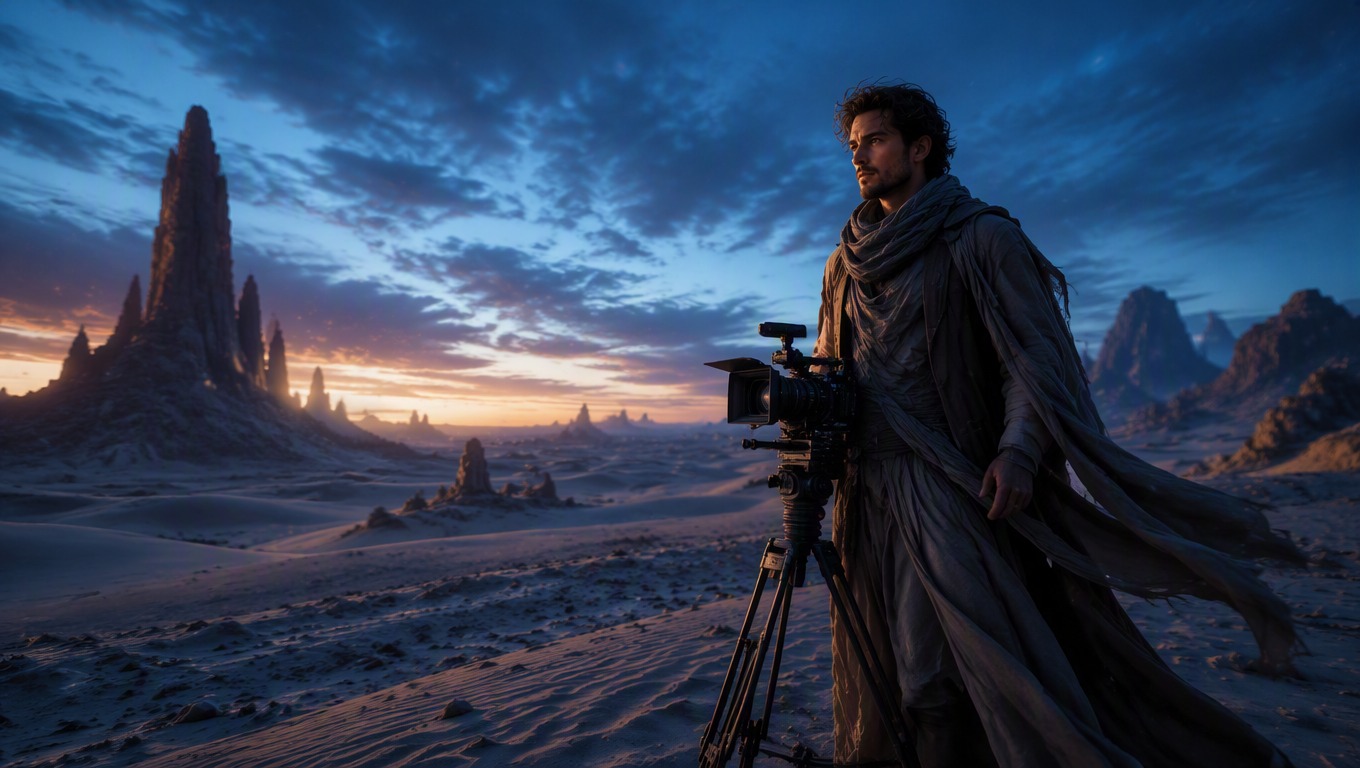
Create Cinematic AI Video Scenes From Text
Build Motion Into the Prompt
Specify how the subject moves, how the camera travels, and how the environment reacts so the generated sequence has a readable sense of action.

Direct the Cinematic Style
Guide atmosphere with lighting, lens language, framing, color, time of day, and visual genre instead of relying on a vague one-line idea.
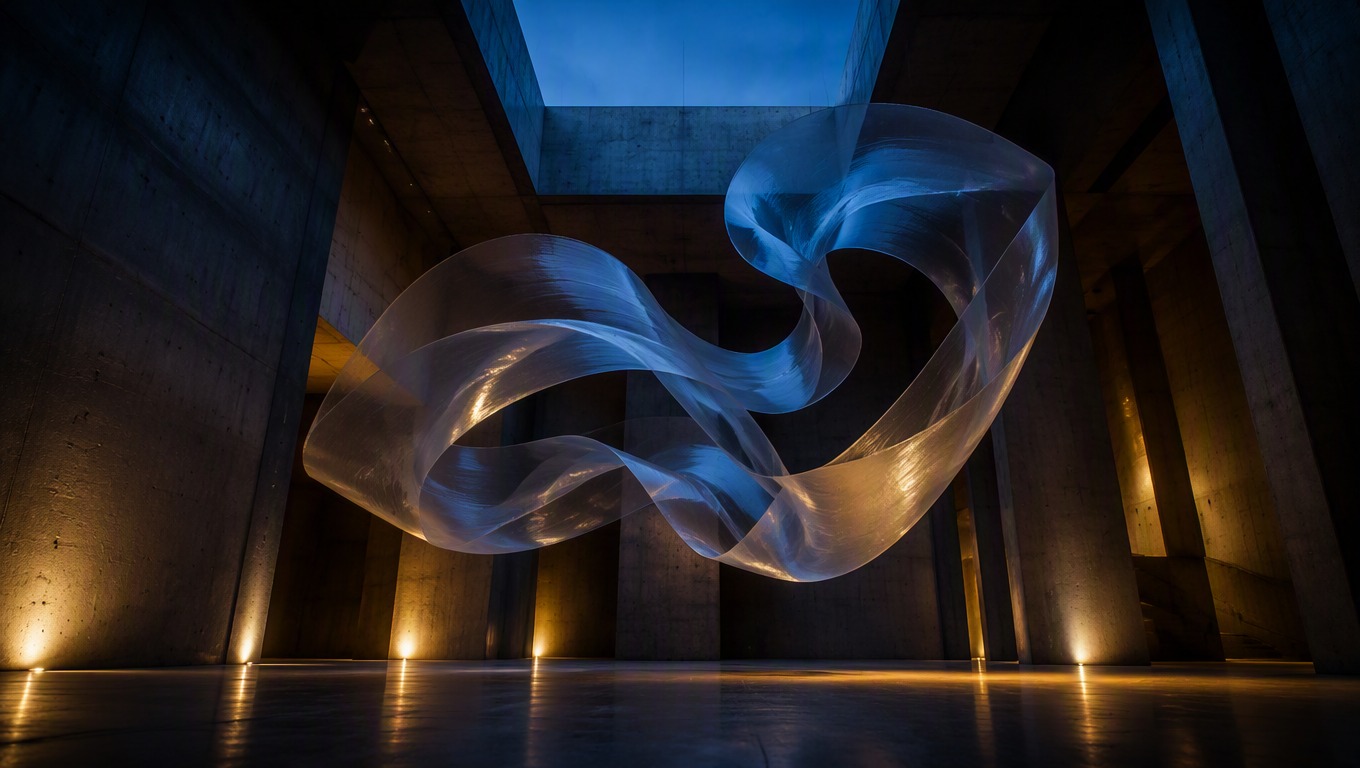
Create More Deliberate Variations
Adjust one creative variable at a time—motion, camera, pacing, or setting—to explore alternatives while keeping the central scene consistent.
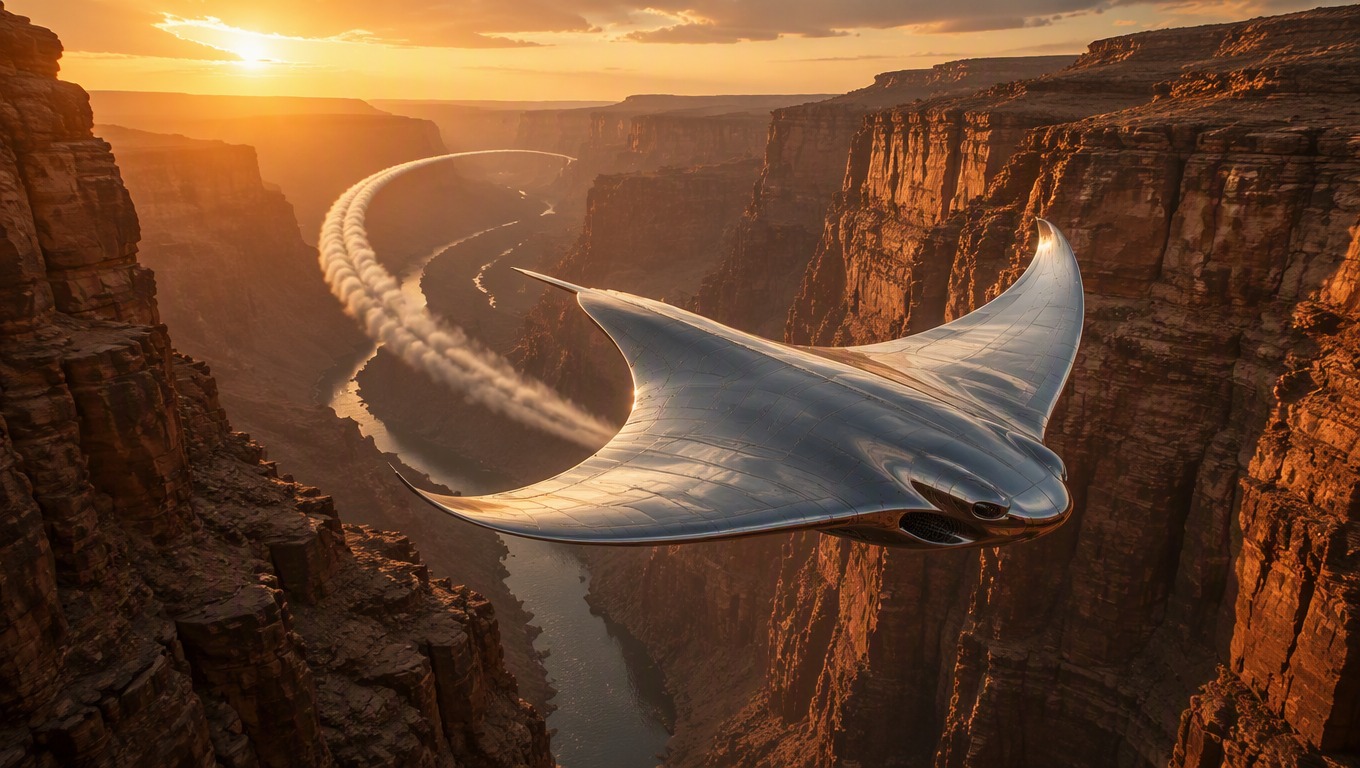
Move from a written idea to concrete visual directions for storytelling, campaigns, animation, and pre-production.
Ways to Use a Seedance Video Generator
Short Film Concepts
Explore establishing shots, dramatic encounters, and atmospheric transitions before committing to a larger production.
Product Story Moments
Describe an object in motion, its environment, and the desired camera behavior for product-led visual concepts.
Music Visuals
Develop mood-driven scenes with rhythmic movement, expressive lighting, and distinctive locations.
Animation Ideation
Turn a written beat into a visual direction for Seedance 2.0 animation generation and story development.
Social Video Concepts
Prototype concise attention-grabbing scenes suited to vertical or feed-based creative planning without embedding an interface in the visual.
Storyboard Exploration
Test camera angles, scene geography, and action cues as inspiration for a broader shot list.
How to Create a Seedance 2.0 AI Video

1
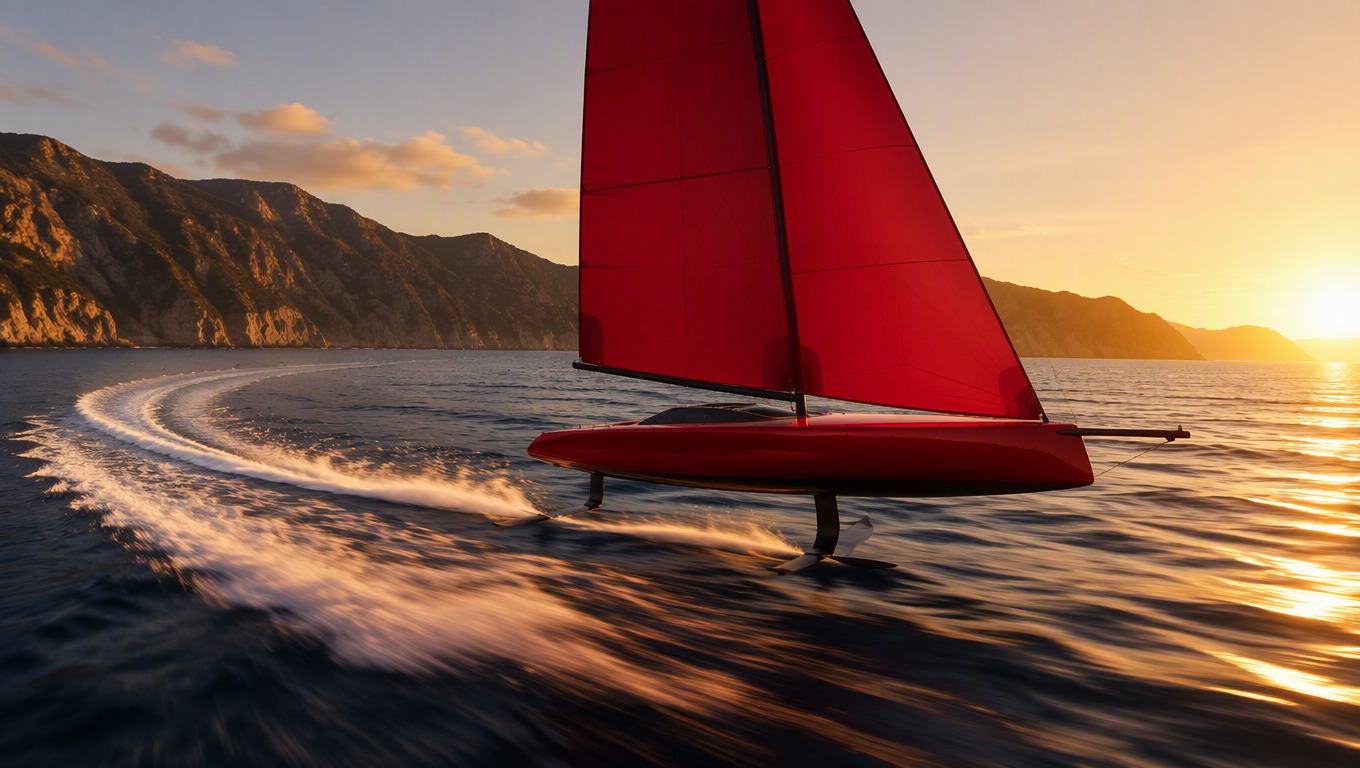
1. Describe the Core Scene
Name the main subject, setting, time of day, and the event that should unfold. Keep the central action easy to understand.
2
2. Add Motion and Camera Direction
Explain how the subject moves and how the camera follows, pans, pushes in, tracks, or remains still.
3
3. Set the Visual Tone
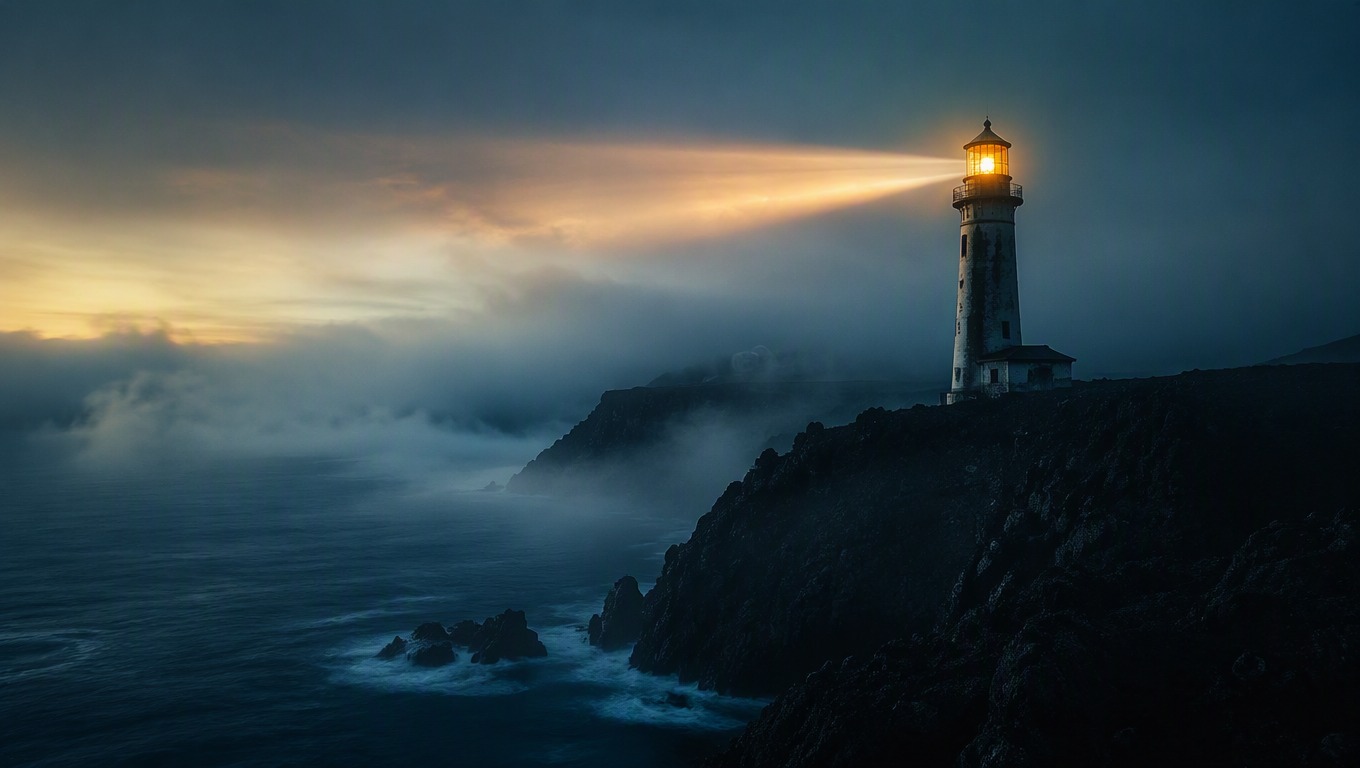
Add lighting, atmosphere, color, lens character, and pacing cues that support the story rather than stacking unrelated styles.

4
4. Generate and Refine
Run the prompt in the embedded tool, review the result, then revise the most important motion or composition detail for the next variation.
Practical answers for writing prompts and using the embedded text-to-video tool.